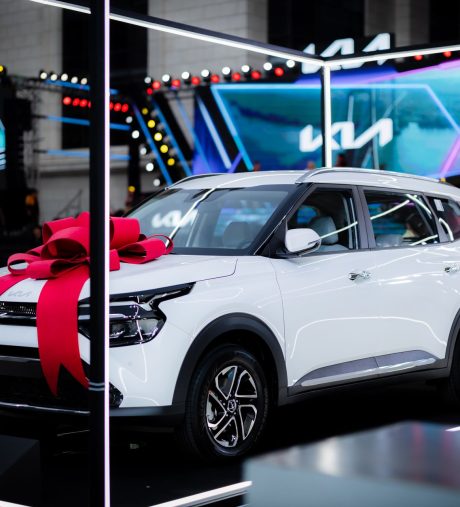
electric cars launch is set to revolutionize the automotive industry. As manufacturers unveil their latest models, consumers can look forward to innovative features and sustainable driving options.
Overview of Electric Cars
The recent surge in interest surrounding electric cars has led to significant advancements in technology, making them a viable option for many drivers. The electric cars launch is not just a trend; it’s an evolution in the automotive industry that promises to deliver a multitude of benefits.
Electric vehicles (EVs) are designed to reduce carbon emissions and provide a cleaner alternative to traditional gasoline-powered cars. With improvements in battery technology, the latest models offer longer ranges and faster charging times, addressing two of the most significant concerns potential buyers have had.
Some key features of modern electric cars include:
- Efficiency: EVs typically convert over 60% of electrical energy from the grid to power at the wheels, compared to conventional vehicles which only convert about 20% of the energy stored in gasoline.
- Cost Savings: Electric cars often have lower operating costs due to fewer moving parts and reduced fuel expenses.
- Performance: Many electric cars deliver instant torque, resulting in quick acceleration and a smooth driving experience.
As manufacturers prepare for the electric cars launch, consumers can expect a future filled with innovation and sustainability.
Upcoming Electric Car Models
The highly anticipated electric cars launch is just around the corner, and several manufacturers are gearing up to unveil their latest models. The upcoming electric car models promise to revolutionize the driving experience with advanced technology and sustainability in mind.
Here are some of the most exciting models set to hit the market:
- Model A: This compact electric vehicle is designed for urban living, featuring a sleek design and a range of up to 300 miles on a single charge.
- Model B: An SUV that combines power and efficiency, this model includes smart technology for an enhanced driving experience and is expected to have rapid charging capabilities.
- Model C: A luxury electric sedan, focusing on comfort and performance, with innovative safety features and an impressive acceleration time.
- Model D: A budget-friendly option, this model offers essential features without compromising on range, making electric vehicles accessible to more drivers.
With these new electric car launches, consumers will have a wider array of choices, making the transition to electric vehicles even more appealing.
Benefits of Electric Vehicles
Electric vehicles (EVs) are rapidly gaining popularity due to their numerous benefits, making the upcoming electric cars launch an exciting event for consumers and the automotive industry alike.
One of the primary advantages of electric cars is their environmental impact. They produce zero tailpipe emissions, helping to reduce air pollution and combat climate change. Additionally, as renewable energy sources become more prevalent, the carbon footprint associated with charging these vehicles will continue to decrease.
Another significant benefit is the cost savings associated with ownership. Electric cars typically have lower operating costs compared to traditional gasoline vehicles. This includes:
- Fuel Savings: Charging an electric car is often cheaper than filling a gas tank.
- Maintenance Savings: EVs have fewer moving parts, resulting in lower maintenance costs over time.
- Incentives: Many governments offer tax credits and incentives for purchasing electric vehicles.
Moreover, the driving experience of electric cars is often enhanced by their instantaneous torque and quiet operation, making them an appealing choice for many drivers. As the electric cars launch approaches, consumers are becoming increasingly aware of these advantages.
Challenges Facing Electric Cars
The launch of electric cars has generated significant excitement, yet several challenges remain that could impact their widespread adoption.
One major challenge is the charging infrastructure. While many cities are increasing the number of charging stations, there is still a lack of accessibility in rural areas. This can make long-distance travel difficult for electric car owners.
Additionally, battery technology continues to evolve, but current batteries can be expensive and have limited ranges compared to traditional gasoline vehicles. This can deter potential buyers who are concerned about the practicality of electric cars.
Moreover, the production costs for electric vehicles remain high, which can lead to elevated prices for consumers. These costs, combined with the ongoing global supply chain issues, may delay the launch of new models in the market.
Finally, consumer awareness about electric cars is still limited. Many potential drivers are unfamiliar with the benefits and advancements in technology, which may hinder their willingness to switch from conventional vehicles.
Addressing these challenges will be crucial for the successful launch and adoption of electric cars in the coming years.
Consumer Reactions to New Launches
As the electric cars launch approaches, consumer reactions have been overwhelmingly positive. Many drivers express excitement about the latest advancements in technology and the potential for a more sustainable future.
In a recent survey, a significant percentage of respondents indicated their willingness to consider electric vehicles as their next purchase. Some key factors influencing their decision include:
- Environmental Impact: Consumers are increasingly aware of climate change and appreciate the lower carbon footprint associated with electric vehicles.
- Cost Savings: Many see the long-term savings on fuel and maintenance as a compelling reason to switch to electric.
- Performance: Drivers are impressed by the acceleration and reliability of electric cars, which challenge traditional gas-powered vehicles.
However, some potential buyers still have reservations, particularly regarding charging infrastructure and battery life. While these concerns are valid, manufacturers are addressing them with innovative solutions.
Overall, the electric cars launch is generating buzz, and many consumers are eager to see how these vehicles will reshape the automotive landscape.
The Future of Electric Cars
The future of electric cars is brighter than ever, with advancements in technology paving the way for a new era in transportation. As manufacturers ramp up their efforts, the electric cars launch promises to revolutionize the driving experience for consumers.
Innovative features are becoming commonplace in electric vehicles, enhancing safety, connectivity, and overall performance. Some key trends shaping the future include:
- Improved Battery Technology: Ongoing research is focused on increasing battery efficiency and reducing charging times, making electric cars more practical for everyday use.
- Widespread Charging Infrastructure: Expansion of charging stations across urban and rural areas is essential for encouraging adoption and alleviating range anxiety.
- Autonomous Driving Capabilities: Many electric car models are integrating self-driving technology, offering drivers a more convenient and safer journey.
- Environmental Impact: With stricter regulations on emissions, the shift towards electric vehicles is crucial for meeting sustainability goals.
As these electric cars launch, they are not just vehicles; they represent a commitment to a cleaner, more sustainable future, transforming how we think about mobility.
Government Incentives for Electric Vehicles
As the electric cars launch gains momentum, governments around the world are introducing various incentives to encourage consumers to make the switch from traditional vehicles. These initiatives aim to promote clean energy and reduce carbon emissions, making electric vehicles (EVs) more accessible to the general public.
Some of the most common government incentives include:
- Tax credits: Many regions offer significant tax deductions for consumers who purchase electric vehicles, which can substantially lower the overall cost.
- Rebates: Direct cash rebates are provided to buyers of electric cars, making them an attractive option for those considering a new vehicle.
- Charging station installation: To alleviate concerns about charging infrastructure, some governments subsidize the installation of home charging stations, making it easier for consumers to charge their vehicles.
- HOV lane access: Electric vehicle owners often enjoy access to high-occupancy vehicle lanes, reducing commute times in congested areas.
These incentives play a crucial role in the electric cars launch, helping to drive adoption and support the transition to greener transportation solutions.
Photo by I’m Zion on Pexels