
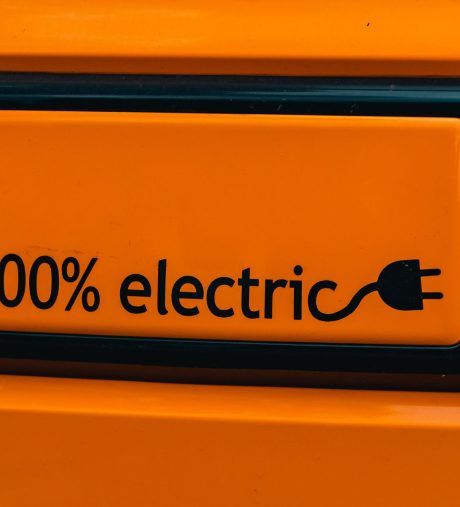
The U.S. EV market rebound is gaining momentum as new models and fluctuating fuel prices drive consumer interest. This recovery signals a positive shift in the automotive industry.
Factors Driving the U.S. EV Market Rebound
The recent recovery of the U.S. EV market is attributed to several key factors that are reshaping consumer preferences and industry dynamics. As automakers ramp up production and introduce innovative models, buyers are increasingly drawn to the latest electric vehicle offerings.
Additionally, fluctuating fuel prices have played a significant role in this rebound. Many consumers are seeking more cost-effective alternatives, making electric vehicles an attractive option.
- New Model Releases: Major manufacturers are unveiling a diverse range of electric vehicles, catering to various consumer needs and preferences.
- Government Incentives: Continuing federal and state incentives are encouraging consumers to consider electric vehicles.
- Public Charging Infrastructure: Expansion of charging stations is alleviating range anxiety for potential buyers.
- Environmental Awareness: Growing concerns about climate change are motivating more individuals to choose sustainable transportation options.
These factors collectively contribute to the U.S. EV market rebound, inspiring confidence in the industry’s future.
New EV Models to Watch
As the U.S. EV market rebound gains momentum, several new models are set to make waves in the automotive industry. These vehicles not only cater to the growing demand for electric options but also promise to enhance consumer choice and affordability.
Here are some exciting new EV models to watch:
- Tesla Model 2: A more affordable option from Tesla, aimed at broadening its customer base.
- Ford Lightning: This electric version of the popular F-150 pickup truck is anticipated to attract traditional truck buyers.
- Chevrolet Silverado EV: Offering a spacious design and advanced technology, this model is set to compete directly with its Ford counterpart.
- Volkswagen ID.4: This compact SUV combines practicality with sustainability, making it an appealing choice for families.
With these new entries in the market, the U.S. EV market rebound is not just a trend but a significant shift towards a more sustainable future.
Impact of Fuel Prices on EV Sales
The recent fluctuations in fuel prices have significantly influenced the U.S. EV market rebound. As gasoline prices rise, many consumers are reconsidering their transportation options, leading to an uptick in electric vehicle (EV) sales. The following points highlight the impact of fuel prices on the EV landscape:
- Increased Demand for Cost-Effective Alternatives: When fuel prices soar, electric vehicles become more appealing due to their lower operational costs.
- Long-Term Savings: Despite the initial investment, many buyers recognize that EVs can lead to substantial savings over time, particularly as fuel costs remain volatile.
- Government Incentives: Rising fuel prices have prompted policymakers to enhance subsidies and incentives for EV purchases, further stimulating market growth.
- Consumer Awareness: As people face higher fuel expenses, awareness of the benefits of EVs grows, driving interest and sales.
Overall, the interplay between fuel prices and consumer behavior is a critical factor in the ongoing recovery of the U.S. EV market.
Consumer Trends in Electric Vehicles
As the U.S. EV market rebound continues to gain momentum, consumer preferences are evolving in significant ways. Recent surveys indicate that buyers are increasingly valuing sustainability alongside performance and cost. This shift is evident in the growing interest in features such as:
- Extended Range: Consumers are prioritizing electric vehicles that can travel longer distances on a single charge.
- Advanced Technology: Features like autonomous driving and smart connectivity are becoming essential for many buyers.
- Affordability: With rising fuel prices, the demand for competitively priced EVs is on the rise, making affordability a critical factor.
- Charging Infrastructure: Consumers are more inclined to purchase EVs if there are sufficient charging stations available, indicating a need for improved infrastructure.
These trends reflect a broader understanding that electric vehicles are not just an alternative but a viable option for everyday driving, contributing to the U.S. EV market rebound.
Future Outlook for the EV Market
The future outlook for the U.S. EV market appears promising as several key trends are expected to shape its trajectory. With innovative technologies and growing consumer interest, the rebound in the U.S. EV market is being fueled by a combination of strategic initiatives and market dynamics.
Experts predict that the following factors will play a crucial role in sustaining growth:
- Government Incentives: Continued support from federal and state programs is likely to encourage more consumers to make the switch to electric vehicles.
- Infrastructure Development: The expansion of charging infrastructure will alleviate range anxiety and make EVs more accessible to a wider audience.
- Environmental Awareness: Rising concerns about climate change will motivate consumers to opt for sustainable transportation alternatives.
- Technological Advancements: Ongoing improvements in battery technology will enhance vehicle performance and reduce costs, making EVs more appealing.
As these factors converge, the U.S. EV market rebound is likely to gain momentum, paving the way for a more sustainable automotive future.
Photo by Mad Knoxx Deluxe on Pexels
