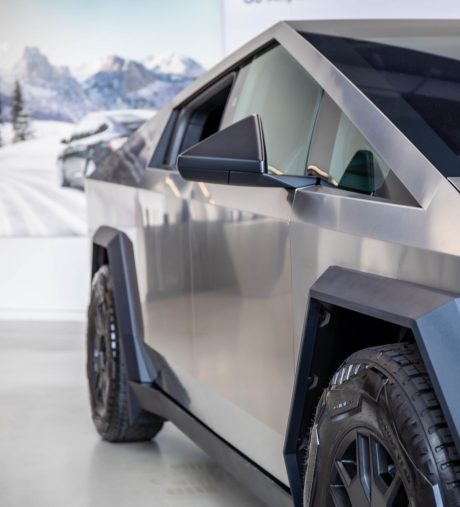
Tesla Cybertruck production is coming to an unexpected halt as the company pivots towards the Cybercab. This decision has sparked debates among fans and industry experts alike.
Overview of Tesla’s Shift in Focus
Tesla has recently announced a pivotal shift in its production strategy, indicating a significant change in its approach to electric vehicle manufacturing. The company is halting the production of the highly anticipated Tesla Cybertruck to concentrate on developing the new Cybercab. This decision has raised eyebrows among industry analysts and enthusiasts alike, as the Cybertruck was expected to revolutionize the pickup market with its unique design and advanced technology.
As Tesla reallocates resources towards the Cybercab, a vehicle aimed at the burgeoning ride-hailing market, questions arise about the long-term implications of this move. Many industry experts believe that the focus on the Cybercab could detract from innovation in other areas, including the much-anticipated Cybertruck production. Tesla’s decision is seen as a gamble that could either pay off by capturing a significant share of the ride-hailing sector or risk losing momentum in the competitive pickup landscape.
- Cybertruck’s design and features
- Market competition and consumer expectations
- Potential for future production shifts
Impact of Ending Cybertruck Production
The recent decision by Tesla to end production of its Cybertruck has raised significant concerns regarding the future of innovation within the company. Many industry experts believe this move could lead to a ripple effect in the electric vehicle market.
Critics argue that halting the Cybertruck production may stifle Tesla’s ability to compete in a rapidly evolving landscape. Key points to consider include:
- Market Leadership: Tesla has long been seen as a leader in the electric vehicle sector, and the Cybertruck was expected to solidify this position.
- Consumer Expectations: The unique design and features of the Cybertruck had generated considerable excitement among consumers, which might now be unmet.
- Resource Allocation: Refocusing on the Cybercab could divert resources away from other innovative projects that the company has in the pipeline.
As Tesla shifts its priorities, the impact on the Cybertruck production could have lasting implications for its brand image and future innovations.
Consumer Reactions to the Cybercab
Consumer reactions to the Cybercab have been mixed, particularly in light of Tesla’s recent decision to shift focus from the Cybertruck production. Many enthusiasts who eagerly anticipated the Cybertruck’s release are now expressing disappointment and confusion over the sudden change in direction.
Among the most notable reactions are:
- Frustration: Loyal Tesla fans feel let down that the highly publicized Cybertruck has been sidelined, as it represented a bold step in automotive design.
- Hope: Some consumers are optimistic about the Cybercab, believing it could offer advanced features and improved efficiency.
- Criticism: Several industry experts argue that abandoning the Cybertruck production compromises Tesla’s commitment to innovation and could alienate core customers.
- Curiosity: Many are intrigued by how the Cybercab will differentiate itself from existing models and whether it can meet the high expectations set by the Cybertruck.
As Tesla navigates this transitional phase, the future of electric vehicles remains uncertain, leaving consumers eagerly awaiting news.
Future of Tesla’s Electric Vehicle Lineup
The future of Tesla’s electric vehicle lineup is now under scrutiny following the company’s recent decision to shift its focus away from the highly anticipated Cybertruck. As Tesla moves towards the development of the Cybercab, many industry experts are questioning whether this strategic pivot aligns with the expectations of innovation that the brand has cultivated over the years.
While the Cybertruck was seen as a bold step into a new market segment, its production has faced numerous delays and challenges. The decision to halt Tesla Cybertruck production raises concerns about the company’s commitment to groundbreaking designs that could redefine the electric vehicle landscape.
In light of the Cybercab’s introduction, there are mixed sentiments among consumers and investors alike. Key factors influencing their opinions include:
- The perceived shift from adventurous designs to more conventional models.
- Concerns about the impact on Tesla’s brand identity.
- Anticipation of how these changes will affect market competitiveness.
As Tesla navigates this transition, the electric vehicle community watches closely for signs of future innovation.
Expert Opinions on Tesla’s Strategy
Experts in the automotive industry have expressed mixed feelings regarding Tesla’s decision to shift its focus away from the Cybertruck production. Dr. Emma Larkins, an automotive analyst, argues that this move could hinder Tesla’s reputation for innovation. “The Cybertruck was not just a vehicle; it was a statement of Tesla’s vision for the future,” she remarked.
Contrastingly, Mark Raines, a market strategist, believes that reallocating resources towards the Cybercab could be a wise choice. “In an era where consumer preferences are rapidly evolving, focusing on the Cybercab might align better with current market demands,” Raines stated.
Furthermore, Sophia Chen, a technology consultant, emphasized the importance of adaptability in the electric vehicle sector. “While the Cybertruck production was ambitious, Tesla’s ability to pivot demonstrates its resilience,” she noted.
As opinions vary, many analysts agree that Tesla must balance innovation with market viability to ensure its future success in the competitive electric vehicle landscape.
The recent developments in Tesla Cybertruck production raise questions about the company’s focus on innovative technology. Critics argue that Tesla Cybertruck production may divert resources from more sustainable projects that could benefit the environment.
Photo by Richard Harris on Pexels