
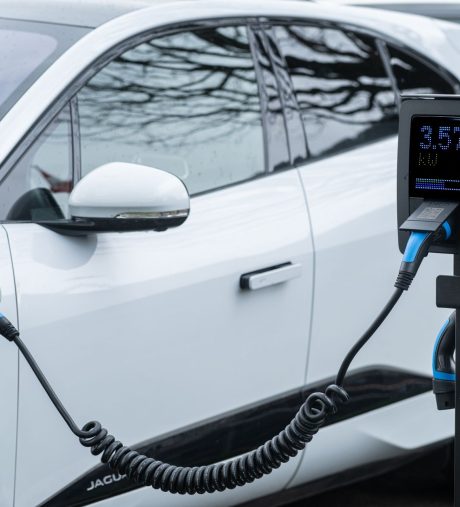
EV-Charger Subsidy Issues are at the forefront of India’s electric vehicle landscape. Despite a substantial financial commitment, the absence of public charging infrastructure poses significant challenges.
Overview of India’s EV-Charger Subsidy
India’s ambitious plan to promote electric vehicle (EV) adoption through a substantial Rs 2,000 crore EV-charger subsidy is facing significant hurdles. The initiative aims to enhance the infrastructure necessary for an increasing number of EVs on the roads. However, the reality is far from the vision, as the country currently lacks a functioning public charging network.
Many startups hope to capitalize on this subsidy to build and operate charging stations, but they are confronted with a challenging landscape. The existing infrastructure is inadequate, leaving little room for new entrants to thrive. Issues related to EV-charger subsidy distribution, regulatory hurdles, and competition with established players complicate matters further.
As a result, the promise of a flourishing EV ecosystem remains unfulfilled. Stakeholders are calling for urgent reforms and a clearer roadmap to ensure that the subsidy not only exists on paper but translates into a beneficial reality for both consumers and startups alike.
Current State of Public Charging Infrastructure
The current state of public charging infrastructure in India remains a significant concern for electric vehicle (EV) adoption. Despite the government’s substantial Rs 2,000 crore subsidy aimed at boosting the installation of EV chargers, many issues persist, leading to challenges for startups in the sector.
Most notably, there is a glaring absence of functional public chargers. This deficiency not only hampers the confidence of potential EV users but also raises questions about the effectiveness of the subsidy program. Furthermore, the lack of a well-defined framework creates barriers for new companies trying to enter the market.
- Limited Availability: Many established charging stations are either non-operational or insufficiently distributed.
- Startup Struggles: New entrants face difficulties in securing locations and funding due to regulatory hurdles.
- Consumer Hesitance: The uncertainty regarding charging access discourages potential buyers from choosing electric vehicles.
Overall, these EV-charger subsidy issues highlight the urgent need for a concerted effort to improve the charging network and support innovation in the EV sector.
Impact on Electric Vehicle Adoption
The current challenges surrounding EV-Charger subsidy issues have significant implications for the adoption of electric vehicles in India. As the infrastructure struggles to keep pace with demand, many potential EV buyers are hesitant to make the switch from traditional vehicles.
Several factors contribute to this reluctance, including:
- Insufficient Charging Stations: The lack of operational public chargers creates a barrier for EV users, leading to range anxiety.
- Startup Limitations: With the existing subsidy framework, startups face significant hurdles in establishing charging networks, stifling innovation.
- Consumer Mistrust: Without a robust infrastructure, consumers are concerned about the reliability of electric vehicles, impacting overall market confidence.
As these issues persist, the anticipated growth of the EV market may stall, delaying India’s transition to cleaner transportation. Addressing the EV-Charger subsidy issues is crucial for fostering a supportive environment for both consumers and startups in the electric vehicle sector.
Challenges for Startups in the EV Market
The electric vehicle (EV) market in India is poised for growth, yet startups face significant hurdles, particularly regarding EV-Charger subsidy issues. One of the primary challenges is the lack of a robust public charging infrastructure, which hampers the viability of new entrants trying to establish themselves in the sector.
Startups often struggle to compete with established players who have more resources and connections. The current subsidy framework, originally designed to promote EV adoption, has not translated into sufficient public charging stations. As a result, many startups find themselves unable to secure funding, as investors are wary of supporting initiatives that may lack necessary infrastructure.
Moreover, the bureaucratic red tape surrounding subsidy applications poses additional barriers. Many startups report that the complex processes discourage innovation and slow down potential growth. The outlook remains bleak unless there is a concerted effort to address these subsidy issues and foster an environment conducive to startup success in the EV sector.
Government’s Response to Infrastructure Gaps
The government’s response to the pressing issues surrounding EV-charger subsidies has been met with criticism, particularly regarding the lack of infrastructure to support electric vehicle adoption. Despite allocating a substantial budget of Rs 2,000 crore for EV-charger subsidies, many regions still struggle with inadequate public charging stations.
Officials have emphasized their commitment to enhancing charging infrastructure, yet startups find themselves in a precarious position. The absence of a reliable public charging network not only hampers consumer confidence but also stifles innovation and competition among new entrants in the market. The following points summarize key aspects of the government’s current approach:
- Funding Allocation: While funds have been earmarked for subsidies, their effective distribution remains unclear.
- Policy Gaps: Existing policies may not adequately address the unique needs of startups in the EV sector.
- Long-Term Vision: A comprehensive strategy is needed to ensure that subsidies translate into tangible improvements.
These EV-charger subsidy issues illustrate the urgent need for a cohesive and supportive framework to nurture startups in the competitive landscape of electric mobility.
Future Prospects for EV Charging in India
The future of EV charging in India appears to be fraught with challenges, particularly for startups. As the recent EV-Charger subsidy issues have highlighted, the lack of a robust public charging network undermines the confidence of potential investors and consumers alike. Without significant improvements in infrastructure, the growth of electric vehicle adoption may stagnate.
Key players in the industry are calling for a strategic overhaul that includes:
- Increased funding for public charging stations
- Collaboration between the government and private sectors
- Clear guidelines for startups to navigate the subsidy landscape
- Incentives for innovation in charging technology
Moreover, consumer awareness and accessibility to charging points are crucial. If these issues are addressed, a more vibrant ecosystem for electric vehicles can emerge, fostering not only public trust but also a competitive marketplace for startups looking to thrive in this evolving sector.
The ongoing EV-Charger Subsidy Issues have left many startups struggling to secure the funding they need to innovate. Without a clear resolution to these EV-Charger Subsidy Issues, the future of electric vehicle infrastructure may be at risk.
Photo by smart-me AG on Pexels
References
You might also like
Royal Enfield Himalayan 750: Worth the Price Tag? · Bentley bespoke Bentayga: Is it the Best Luxury SUV? · Is JLR Electric Car India the Best Choice for 2027?
