
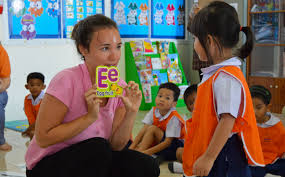
In recent years, gap year volunteer programs aimed at improving education access have seen significant growth. Many young adults are seeking purposeful experiences that combine travel, personal development, and meaningful impact. Education-focused Gap Year Volunteer Programs allow participants to work in schools, community centers, and after-school programs in underserved areas, addressing barriers that prevent children and youth from receiving quality education. Statistics from recent surveys show that over 60% of gap year participants prioritize programs that allow them to contribute to social causes, with education being a top concern.
How Do Volunteers Contribute to Educational Access?
Volunteers play a crucial role in bridging gaps in education. They may assist teachers in classrooms, organize literacy initiatives, or provide tutoring for students struggling in key subjects such as math, reading, or science. In some programs, volunteers support curriculum development, teacher training, or technology integration, helping schools improve their overall learning environment. Research indicates that programs with consistent volunteer involvement can increase student engagement and retention rates by up to 25%, highlighting the tangible impact volunteers can have on educational outcomes.
What Skills Do Volunteers Gain While Working in Education?
Participating in education-focused gap year programs provides a dual benefit: contributing to a community and developing valuable personal and professional skills. Volunteers improve communication, leadership, and problem-solving abilities while learning to adapt to diverse classroom settings. Handling varied student needs enhances empathy, cultural sensitivity, and patience—skills that are transferable to future careers and academic pursuits. Surveys of past participants reveal that nearly 70% reported increased confidence in public speaking and instructional abilities after completing their gap year in education-focused programs.
How Do Programs Ensure Volunteers Make a Sustainable Impact?
Sustainability is a central goal in education-focused volunteer programs. Structured placements, partnerships with local schools, and ongoing mentorship ensure that the work done by volunteers continues to benefit students long after the program ends. Programs often integrate monitoring and evaluation strategies to track student progress, volunteer effectiveness, and community feedback. Data shows that programs emphasizing long-term community collaboration see higher levels of student achievement and volunteer satisfaction compared to short-term, unstructured initiatives.
Why Is Cultural Immersion Important in Education Volunteer Programs?
Volunteering in education requires understanding the social, economic, and cultural context of the community. Immersion allows participants to adapt teaching methods to local needs, connect meaningfully with students, and gain insights into systemic challenges affecting education access. Studies indicate that volunteers who engage in cultural orientation and community-based learning report greater personal growth and more effective contributions to their host communities.
What Long-Term Benefits Do Participants and Communities Experience?
Gap year volunteers often leave a lasting legacy in education programs. Students benefit from additional academic support, mentorship, and exposure to new learning techniques, which can improve school performance and inspire continued education. Volunteers gain practical experience, enhanced intercultural competence, and a deeper understanding of global educational challenges. According to follow-up surveys, over 80% of participants feel that their gap year experience significantly influenced their career direction, often guiding them toward education, social work, or international development fields.
Is a Gap Year in Education the Right Choice for You?
For young adults passionate about making a measurable difference, volunteering to improve education access offers a unique opportunity to contribute meaningfully while developing personal and professional skills. It is particularly suitable for those interested in teaching, policy, or social development. By choosing a structured program with a clear focus on sustainability and community engagement, participants can create real change for students while gaining a transformative life experience. The combination of service, learning, and cultural immersion ensures that both volunteers and communities benefit in tangible and lasting ways.
