
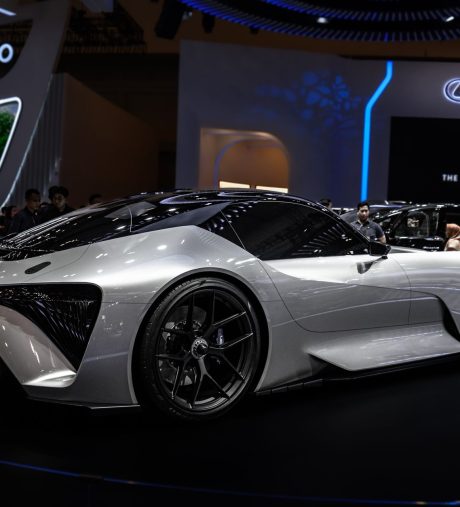
China leverage in Thailand is becoming a significant factor in the automotive sector, particularly in electric vehicles. This shift highlights China’s strategic moves to enhance its influence in Southeast Asia.
Understanding China’s Influence in Thailand
China’s leverage in Thailand has grown significantly in recent years, impacting various sectors and fostering deeper diplomatic ties. The relationship is characterized by a blend of economic investment, cultural exchange, and strategic partnerships.
Several factors contribute to this influence:
- Economic Investment: China has invested heavily in infrastructure projects, including railways and energy, which enhances Thailand’s connectivity and growth potential.
- Cultural Exchange: Initiatives promoting Chinese language and culture have strengthened people-to-people connections, fostering a better understanding between the nations.
- Political Alliances: Thailand’s alignment with China in regional forums has solidified mutual interests, allowing both countries to navigate geopolitical challenges together.
As these dynamics continue to evolve, understanding China’s leverage in Thailand becomes essential for assessing the future of bilateral relations.
The Impact on Electric Vehicle Adoption
The impact of China’s leverage in Thailand is particularly evident in the electric vehicle (EV) sector. As Thailand aims to position itself as a regional EV hub, Chinese manufacturers have become crucial players, providing affordable technology and competitive pricing. This has catalyzed a shift in consumer preferences, encouraging the adoption of electric cars over traditional vehicles.
Several factors contribute to this trend:
- Cost Efficiency: Chinese EVs offer lower prices compared to their Western counterparts, making them accessible to a broader audience.
- Technology Transfer: Collaborations with local companies have facilitated knowledge sharing, enhancing the local manufacturing capabilities.
- Government Support: Thai policies promoting green technology have further incentivized the growth of the EV market.
As a result, the growing presence of Chinese firms not only boosts Thailand’s EV adoption but also reinforces China’s leverage in the region.
Key Players in the Thai EV Market
The electric vehicle (EV) market in Thailand has become a battleground for various key players, each vying for a share of the growing demand. Among these players, Chinese manufacturers have emerged as significant contenders, leveraging their competitive pricing and advanced technology.
Some of the prominent companies in this market include:
- BYD: A leading Chinese automaker known for its innovative electric models.
- SAIC Motor: Partnering with local firms to produce EVs tailored to Thai consumers.
- Great Wall Motors: Focusing on affordable electric options to attract budget-conscious buyers.
- Tesla: Although not Chinese, it faces stiff competition from China’s aggressive pricing strategies.
These players are capitalizing on China’s leverage in Thailand, promoting sustainable transportation through attractive financing options and government collaborations.
Challenges for Local Manufacturers
As China continues to expand its influence in Thailand, local manufacturers face significant challenges. These obstacles arise from the aggressive pricing strategies employed by Chinese companies, which often undercut Thai products. The following points highlight some of the primary challenges:
- Price Competition: Chinese manufacturers frequently offer products at lower prices, making it difficult for local companies to compete.
- Technology Transfer: The influx of Chinese technology can outpace local innovation, leaving Thai manufacturers struggling to keep up.
- Market Saturation: The rapid entry of Chinese goods has led to increased market saturation, reducing profit margins for local players.
- Regulatory Hurdles: Local firms may find it challenging to navigate the regulatory landscape, especially when competing against larger, more established Chinese enterprises.
These challenges underscore the complexities of China leverage in Thailand’s manufacturing sector.
Government Policies and Support
The relationship between China and Thailand has been significantly shaped by government policies and support, which play a pivotal role in enhancing China’s leverage in Thailand. Various agreements and initiatives have been introduced to foster economic cooperation and investment opportunities.
Key policies include:
- Trade Agreements: Thailand has engaged in multiple free trade agreements with China, reducing tariffs and encouraging exports.
- Infrastructure Development: Chinese investments in Thai infrastructure, such as railways and ports, facilitate smoother trade and strengthen economic ties.
- Incentives for EV Adoption: The Thai government is promoting electric vehicle adoption through subsidies and tax incentives, aligning with China’s electric vehicle strategy.
- Joint Ventures: Collaborations between Thai and Chinese companies are supported to enhance technological exchange and local manufacturing capabilities.
These policies not only support Thailand’s economic growth but also solidify China’s strategic influence in the region.
Future Trends in Auto-EV
The future of electric vehicles (EVs) in Thailand is poised for significant transformation, driven by China leverage in Thailand’s automotive sector. As global demand for sustainable transport grows, Chinese manufacturers are increasingly looking to expand their presence in Southeast Asia. This trend is evident through several emerging strategies:
- Investment in Local Production: Chinese companies are establishing manufacturing bases in Thailand to reduce costs and improve supply chain efficiency.
- Partnerships with Local Firms: Collaborations with Thai manufacturers enable knowledge transfer and enhance competitiveness in the EV market.
- Competitive Pricing: Leveraging lower production costs allows Chinese brands to offer affordable EV options, attracting price-sensitive consumers.
- Technology Transfer: Sharing advanced battery and charging technologies can help elevate the overall quality of Thai EVs.
These strategies are likely to shape the landscape of Thailand’s automotive sector in the coming years.
Conclusion: The Road Ahead
As Thailand navigates its evolving automotive landscape, understanding China’s leverage in Thailand will be crucial for both local manufacturers and international stakeholders. The strategies discussed throughout this article highlight the significance of adapting to China’s market dynamics and leveraging their technological advancements.
In the coming years, Thai manufacturers will need to focus on innovation and collaboration with Chinese firms to remain competitive in the electric vehicle sector. The collaboration could lead to improved production capabilities and access to cutting-edge technologies.
Moreover, government support will play a pivotal role in shaping the future of the auto-EV market. By fostering a favorable environment for investment and encouraging sustainable practices, Thailand can balance the influence of China while empowering local industries.
Ultimately, a strategic approach that embraces partnership and innovation will pave the way for a successful transition to an electric future.
To effectively navigate the complexities of China leverage in Thailand, businesses must adopt a multifaceted approach that includes understanding local market dynamics. By leveraging China leverage in Thailand, companies can forge strategic partnerships that enhance their competitive edge.
Photo by Esase on Pexels
Where this came from
EV charging network: Uzbekistan and China’s Smart Collaboration · New Honda Civic: Best Features and Proven Performance · Hyundai Bayon launch: The Best Tease Reveals New Colour
