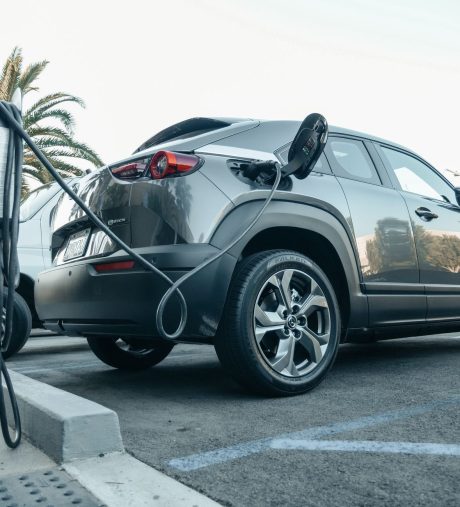
EV charging network discussions are underway as Uzbekistan collaborates with a Chinese company to improve electric vehicle infrastructure along the Tashkent–Khorezm route. This partnership aims to bolster the country’s EV adoption and sustainability efforts.
Overview of the EV Charging Network
The development of an extensive EV charging network is becoming a pivotal aspect of modern transportation infrastructure, particularly in regions like Uzbekistan. Recent discussions between Uzbekistan and a prominent Chinese company focus on establishing an efficient charging network along the crucial Tashkent–Khorezm route. This collaboration aims to enhance the accessibility and convenience of electric vehicle (EV) usage across the country.
As electric vehicles gain popularity, the necessity for a robust charging infrastructure has never been more critical. The proposed network is expected to feature several strategically placed charging stations, ensuring that EV users can travel comfortably without the fear of running out of battery. The key points of the initiative include:
- Strategic Locations: Stations will be established at key intervals along the Tashkent–Khorezm route to optimize travel times and charging opportunities.
- Enhanced Collaboration: The partnership between Uzbekistan and the Chinese firm reflects a growing trend of international cooperation in the EV sector.
- Environmental Impact: By promoting the use of electric vehicles, the initiative aims to reduce carbon emissions and support sustainable transportation in the region.
This ambitious project underscores the commitment of both nations to embrace green technologies and foster a cleaner, more sustainable future.
Importance of EV Infrastructure
The development of an extensive EV charging network is crucial for promoting electric vehicle adoption in Uzbekistan and ensuring a sustainable future. As the country embraces greener transportation options, the significance of having robust charging infrastructure cannot be overstated.
Investing in EV infrastructure offers multiple benefits:
- Enhances Accessibility: A well-distributed charging network makes it easier for drivers to find charging stations, reducing range anxiety associated with electric vehicles.
- Encourages Adoption: With more charging stations available, consumers are more likely to switch from traditional vehicles to electric ones, contributing to lower emissions and better air quality.
- Boosts Economy: Building an EV charging network can create jobs and stimulate local economies, particularly in areas that are currently underserved in terms of electric vehicle facilities.
- Promotes International Collaboration: Partnerships, such as the one between Uzbekistan and China, foster knowledge-sharing and innovation in EV technology and infrastructure development.
Furthermore, an effective EV charging network supports the transition to renewable energy sources by integrating smart charging solutions, which can optimize energy use and reduce costs. As Uzbekistan continues to collaborate with China on this initiative, the future looks promising for electric mobility in the region.
Details of the Uzbekistan-China Collaboration
The collaboration between Uzbekistan and China aims to establish a robust EV charging network along the Tashkent–Khorezm route, enhancing the infrastructure necessary for electric vehicles in the region. This partnership is a significant step towards promoting sustainable transportation solutions and reducing carbon emissions.
Key details of the collaboration include:
- Investment and Development: The Chinese company is set to invest in the development of charging stations, ensuring that they are strategically placed for maximum accessibility.
- Technology Transfer: The agreement facilitates the transfer of advanced technology from China to Uzbekistan, which will help in the efficient deployment and maintenance of the charging network.
- Local Employment: The project is expected to create numerous job opportunities within Uzbekistan, particularly in the sectors related to installation and maintenance of the charging stations.
- Public Awareness: Both countries plan to launch campaigns aimed at educating the public about the benefits of electric vehicles and the convenience of the new charging network.
This collaboration not only signifies a commitment to environmental sustainability but also strengthens economic ties between Uzbekistan and China. As the region moves towards greener alternatives, the EV charging network will play a pivotal role in transforming the transportation landscape.
Future of Electric Vehicles in Uzbekistan
The future of electric vehicles in Uzbekistan is poised for significant transformation, particularly with the ongoing development of an extensive EV charging network. As the demand for electric vehicles grows, the need for a reliable and accessible charging infrastructure becomes paramount.
Uzbekistan’s collaboration with Chinese companies is set to play a crucial role in establishing a robust EV charging network, especially along key routes such as Tashkent to Khorezm. This partnership aims to facilitate the widespread adoption of electric vehicles, enhancing connectivity and reducing carbon emissions across the region.
Several factors underscore the importance of this initiative:
- Enhanced Accessibility: The new charging stations will be strategically placed to ensure that electric vehicle users have convenient access to charging points.
- Sustainable Growth: By investing in green technology, Uzbekistan is making strides toward a more sustainable future, positioning itself as a leader in the region’s transition to electric mobility.
- Economic Opportunities: The development of the EV charging network is expected to create jobs and stimulate economic growth within the country.
As Uzbekistan continues to embrace electric vehicles, the collaborative efforts with China highlight a commitment to innovation and sustainability, ensuring a brighter future for the automotive landscape in the nation.
Challenges in EV Adoption
Despite the promising collaboration between Uzbekistan and China to enhance the EV charging network, several challenges hinder the widespread adoption of electric vehicles (EVs) in the region.
One of the primary issues is the lack of a well-developed infrastructure. While the partnership aims to establish charging stations along key routes, the existing grid in many areas is still insufficient to support a comprehensive network. This limitation can discourage potential EV buyers who may worry about the availability of charging options.
Additionally, public awareness and acceptance of electric vehicles remain low. Many consumers are hesitant to switch from traditional gasoline vehicles due to misconceptions about EV performance and range. Educating the public on the benefits of electric cars is crucial for increasing adoption rates.
Moreover, the initial cost of EVs can be a significant barrier. Although prices are gradually decreasing, many potential buyers still view electric vehicles as a luxury rather than a practical option. Incentives from the government can help alleviate this financial burden.
Finally, the variability of electricity sources poses another challenge. The reliance on renewable energy for the EV charging network is essential for sustainability; however, achieving this balance requires investment and strategic planning.
Addressing these challenges is vital for the successful implementation of the EV charging network and the future of electric mobility in Uzbekistan.
Photo by Kindel Media on Pexels