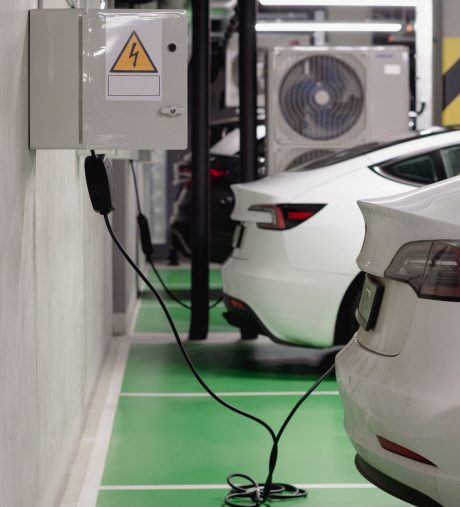
The bidirectional charging project is transforming how we view electric vehicles. MAN’s electric truck feeds 350 kW back to the grid, showcasing the potential of this technology.
What is Bidirectional Charging?
Bidirectional charging refers to the technology that allows electric vehicles (EVs) to not only draw power from the grid but also send surplus energy back to it. This innovative approach enables vehicles to act as energy storage units, providing valuable support to the electrical grid. In the context of the bidirectional charging project, this capability is exemplified by the MAN electric truck, which can feed 350 kW of power back to the grid.
This dual functionality is particularly advantageous in managing energy demand and promoting sustainability. It allows EV owners to utilize their vehicles as backup power sources during peak times or emergencies, potentially reducing their energy costs. Additionally, the bidirectional charging project contributes to the stability of the grid by smoothing out fluctuations in energy supply and demand.
- Enhances grid stability
- Reduces energy costs for EV owners
- Promotes renewable energy usage
Benefits of the SPIRIT-E Project
The SPIRIT-E Project showcases numerous benefits of bidirectional charging technology, making it a significant advancement in the electric vehicle (EV) sector. This innovative project allows electric trucks, like the MAN model, to not only consume energy but also return it to the grid, creating a more sustainable energy ecosystem.
Among the key advantages are:
- Energy Efficiency: By using vehicles as mobile energy storage, the project can alleviate pressure on the grid during peak demand periods.
- Cost Savings: Fleet operators can reduce energy costs by optimizing energy use and selling excess energy back to the grid.
- Environmental Impact: The reduction of fossil fuel dependency contributes to lower carbon emissions and promotes the use of renewable energy sources.
- Grid Stability: Bidirectional charging supports grid resilience, allowing for better management of energy supply and demand.
Overall, the SPIRIT-E Project highlights how bidirectional charging can provide a comprehensive solution for a sustainable future.
How MAN’s Truck Contributes
MAN’s participation in the bidirectional charging project showcases its commitment to innovative energy solutions. The company has developed an electric truck capable of feeding back 350 kW to the grid, thus enhancing the overall efficiency of energy management systems.
This cutting-edge technology not only demonstrates the potential for electric vehicles to act as energy sources but also supports the integration of renewable energy into the grid. By allowing vehicles to discharge energy when demand peaks, MAN’s solution contributes to energy stability and reduces reliance on fossil fuels.
Key features of MAN’s contribution include:
- High power output: The 350 kW capability enables significant energy transfer to the grid.
- Grid stability: Electric trucks can help balance supply and demand by acting as mobile energy storage.
- Environmental impact: Supports cleaner energy solutions and reduces carbon emissions.
Overall, MAN’s involvement in the bidirectional charging project illustrates the potential for electric trucks to play a vital role in the future of sustainable transportation and energy management.
Future of Electric Vehicle Technology
The future of electric vehicle technology is increasingly intertwined with innovations like the bidirectional charging project. This initiative not only enhances the efficiency of electric vehicles but also provides solutions for energy management. As the demand for sustainable energy sources grows, such projects demonstrate the potential for vehicles to act as mobile energy storage units.
Experts predict that advancements in bidirectional charging will lead to:
- Increased grid stability: By allowing electric vehicles to feed energy back into the grid, overall demand can be balanced more effectively.
- Enhanced user experience: EV owners will have more control over their energy usage and costs.
- Promoted renewable energy use: Electric vehicles can store surplus energy generated from solar or wind sources for later use.
As seen in the SPIRIT-E project, the integration of bidirectional charging technology could be a game changer for the electric vehicle industry.
Photo by Jakub Zerdzicki on Pexels