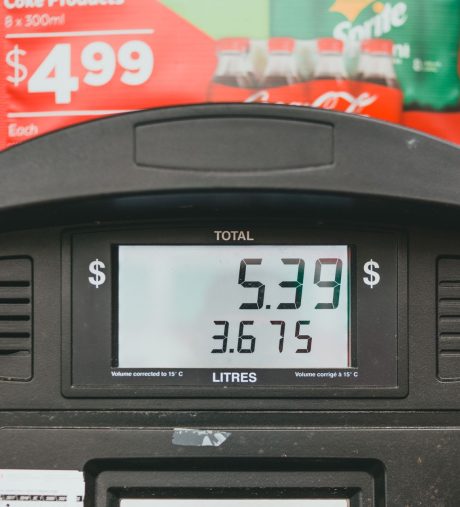
gas prices fall below $4 per gallon for the first time since July, bringing much-needed relief to consumers. This drop in prices is a significant shift in the current fuel market landscape.
Current Trends in Gas Prices
In recent weeks, gas prices have shown a noticeable decline, falling below $4 per gallon for the first time since July. This significant drop comes as a relief to many drivers who have faced soaring fuel costs in the past year. Analysts attribute this decrease to various factors, including a reduction in crude oil prices and increased supply levels.
According to reports, the average price of gasoline has decreased across the nation, prompting many consumers to reassess their budgets. The current trends in gas prices indicate a shift that could benefit those who rely heavily on their vehicles for transportation.
As gas prices fall, drivers are encouraged to take advantage of the lower rates while they last. In addition to filling up their tanks, consumers can implement several strategies to save even more on fuel costs:
- Plan trips efficiently: Combine errands to reduce unnecessary driving.
- Maintain tire pressure: Properly inflated tires can improve fuel efficiency.
- Use cruise control: This can help maintain a steady speed and save fuel.
By adopting these tips, drivers can maximize their savings as gas prices continue to fall.
Impact of Falling Gas Prices
The recent trend of gas prices fall has brought relief to many consumers navigating their daily commutes and travel plans. As prices dip below $4 per gallon for the first time since July, the impact on household budgets has been noticeable.
Lower fuel costs can lead to a variety of positive changes for consumers and the economy alike. Some potential benefits include:
- Increased disposable income: With less money spent on fuel, families may have more funds available for other essential purchases or leisure activities.
- Boost to local businesses: As consumers save on gas, they may choose to spend on local dining and shopping, helping to stimulate economic growth.
- Travel opportunities: Families may feel encouraged to plan vacations or road trips, as reduced fuel costs make travel more affordable.
However, it’s important to remember that falling gas prices can also lead to shifts in consumer behavior. Some may become less inclined to adopt fuel-efficient practices or explore alternative transportation options, potentially impacting long-term sustainability efforts.
As gas prices continue to fluctuate, staying informed about trends can help drivers make better decisions regarding their fuel consumption.
How to Save on Fuel Costs
As gas prices fall below $4 per gallon for the first time since July, many drivers are looking for ways to save on fuel costs. Here are some effective tips to help you stretch your budget further:
- Maintain Your Vehicle: Regular maintenance, such as oil changes and tire pressure checks, can improve fuel efficiency.
- Drive Smoothly: Avoid rapid acceleration and hard braking. Gentle driving can enhance your miles per gallon.
- Plan Your Trips: Combine errands into one trip to reduce the total distance driven and save on gas.
- Use Apps: Utilize smartphone apps to find the cheapest gas prices in your area, helping you take advantage of lower costs.
- Consider Carpooling: Sharing rides with others can significantly decrease individual fuel expenses while also reducing traffic congestion.
- Walk or Bike: For short distances, consider walking or biking instead of driving, which can save money and provide health benefits.
By implementing these strategies, you can make the most of the current trend of falling gas prices and keep your fuel costs manageable.
Future Predictions for Gas Prices
As gas prices fall below $4 per gallon for the first time since July, analysts are making predictions about the future of fuel costs. While recent declines have brought relief to consumers, several factors could influence prices in the coming months.
- Seasonal Demand: Typically, gas prices tend to rise during the summer months due to increased travel. If demand spikes, prices may not remain low for long.
- Global Factors: Geopolitical tensions and changes in oil production rates can significantly impact fuel costs. Any shifts in the international market may lead to unpredictable price fluctuations.
- Economic Indicators: As the economy recovers, the demand for gasoline may increase, putting upward pressure on prices. Monitoring economic trends will be crucial for anticipating future costs.
- Alternative Energy Sources: The ongoing shift towards renewable energy might provide some buffer against rising gas prices. Investments in electric vehicles and public transportation could change consumer patterns.
In summary, while gas prices fall currently, consumers should remain vigilant about market trends and prepare for potential changes in the near future.
As gas prices fall, many drivers are looking for ways to maximize their savings at the pump. Implementing simple strategies can help you take advantage of the trend as gas prices fall.
Photo by Erik Mclean on Pexels