
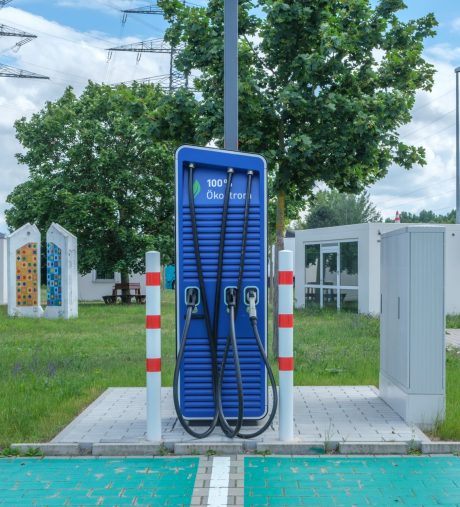
India BEV charging infrastructure is vital for the country’s electric vehicle ambitions. Amitabh Kant emphasizes the need for a robust charging network to support this growth.
The Importance of India BEV Charging Infrastructure
The development of India’s Battery Electric Vehicle (BEV) charging infrastructure is crucial for the nation’s transition towards sustainable transportation. As the country aims to reduce its carbon footprint and reliance on fossil fuels, a robust charging network will play a significant role in facilitating the widespread adoption of electric vehicles.
According to Amitabh Kant, India is poised to take a leading position in the global BEV market, surpassing even the United States. However, this potential can only be realized with the establishment of a comprehensive charging infrastructure. A strategic push in this area is essential for several reasons:
- Consumer Confidence: A well-developed charging network will alleviate range anxiety among potential BEV buyers.
- Environmental Impact: Increased adoption of BEVs can lead to reduced emissions and improved air quality.
- Economic Growth: Investing in charging infrastructure can create jobs and stimulate local economies.
To harness the benefits of BEV adoption, it is imperative for both the government and private sectors to collaborate in expanding India’s BEV charging infrastructure. With the right initiatives, India can pave the way for a greener and more sustainable future.
Current State of EV Charging in India
As India accelerates its transition to battery electric vehicles (BEVs), the current state of EV charging infrastructure remains a critical factor in supporting this growth. The country has witnessed a significant increase in the adoption of BEVs, with a growing number of manufacturers entering the market. However, the charging infrastructure has not kept pace with this surge.
According to recent reports, India has over 1,500 public charging stations across the nation, but experts argue that this number is insufficient to meet the rising demand. A robust BEV charging infrastructure is essential for consumers to feel confident in making the switch from conventional vehicles.
Key challenges facing the current landscape include:
- Insufficient Charging Points: Many cities lack adequate charging stations, leading to range anxiety among potential BEV buyers.
- Interoperability Issues: Different charging standards can complicate the user experience.
- High Costs: Installation and maintenance of charging stations can be prohibitively expensive for businesses and local governments.
To foster growth in India’s BEV market, a smart push towards expanding and enhancing the charging infrastructure is imperative. This effort will not only support current BEV users but also encourage new buyers as the nation moves towards a more sustainable future.
Comparing India’s BEV Landscape to the US
As the global electric vehicle (EV) market continues to evolve, a comparative analysis of India’s BEV charging infrastructure with that of the United States reveals distinct challenges and opportunities. India has made significant strides in the adoption of battery electric vehicles (BEVs), thanks largely to government initiatives and increasing consumer interest. However, the charging infrastructure necessary to support this growth is still lagging behind.
In the US, a well-established network of charging stations facilitates the widespread use of BEVs, ensuring that drivers have access to convenient and reliable charging options. In contrast, India faces hurdles such as insufficient charging stations, inadequate power supply, and varying standards for charging technology. Despite these challenges, the nation has the potential to leapfrog traditional automotive paradigms by investing in smart, scalable BEV charging infrastructure.
To bridge the gap, experts emphasize the need for a comprehensive approach that includes:
- Public-private partnerships: Collaborating with private companies to expand charging networks.
- Government incentives: Encouraging investment in charging technologies and infrastructure.
- Standardization: Creating uniform charging solutions to enhance accessibility.
With a concerted effort, India can accelerate its BEV transition and establish a robust charging ecosystem.
Future Prospects for Electric Vehicles in India
The future of electric vehicles in India looks promising, with significant advancements in technology and growing public interest. However, to fully realize the potential of the BEV (Battery Electric Vehicle) market, a robust charging infrastructure is essential. Without adequate charging stations, the transition to electric mobility may face substantial hurdles.
Recent initiatives by the government and private sectors have set the stage for a more integrated BEV charging infrastructure. Key areas for development include:
- Expansion of Charging Networks: Increasing the number of charging stations in urban and rural areas will enhance accessibility for consumers.
- Fast Charging Technology: Investing in fast charging solutions can significantly reduce downtime for electric vehicle users, making BEVs more appealing.
- Public-Private Partnerships: Collaborative efforts among stakeholders can accelerate the deployment of charging facilities and infrastructure.
- Incentives for Installation: Providing incentives for businesses to install charging points can foster a more widespread adoption of BEVs.
As Amitabh Kant pointed out, India’s lead in BEV adoption over countries like the US highlights the need for a smart push in charging infrastructure development. With strategic planning and investment, India can become a leader in the electric vehicle revolution.
The development of India BEV charging infrastructure is crucial for supporting the growing electric vehicle market. A strategic approach is needed to enhance the accessibility and efficiency of the India BEV charging infrastructure.
Photo by Reinhard Bruckner on Pexels
References
Related stories
Starlink V2 launch: Is it the best plan for users? · New Sedans Launching: Exciting Volkswagen Virtus Facelift Ahead · Vehicle Assembly Plant: Museveni and Suluhu Launch $30M Project
