
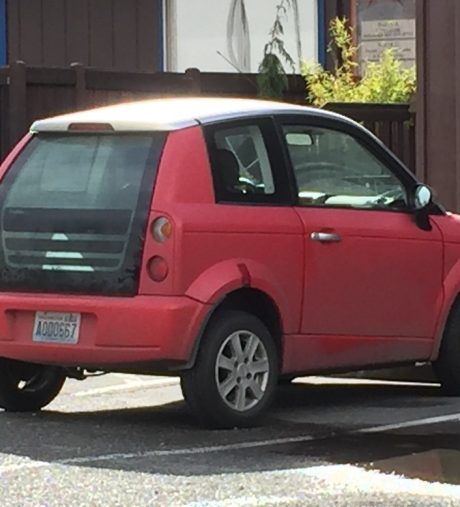
The low-cost electric vehicle market is about to get a boost with Kia’s announcement of the EV1, launching in 2027 at an affordable price of $20,000.
Kia’s Vision for Affordable EVs
Kia is set to revolutionize the electric vehicle market with its upcoming entry-level model, the EV1, scheduled for launch in 2027. This low-cost electric vehicle aims to make EV technology accessible to a broader audience, with a target price of just $20,000.
The company envisions a future where sustainable transportation is not limited by budget constraints, allowing more consumers to transition to electric mobility. The EV1 will feature innovative design elements and advanced technology, all while maintaining affordability.
Key features of Kia’s low-cost electric vehicle include:
- Improved battery efficiency: Ensuring longer ranges on a single charge.
- Compact design: Ideal for urban environments and easy parking.
- Smart technology: Integrating user-friendly interfaces and safety features.
Kia’s commitment to affordable EVs aligns with its goal of reducing carbon footprints and promoting eco-friendly transportation solutions.
What to Expect from the EV1
The upcoming low-cost electric vehicle, known as the EV1, is set to make waves in the automotive industry. As Kia prepares for its 2027 launch, enthusiasts and potential buyers can expect a range of impressive features that cater to both affordability and functionality.
Here are some key aspects to look out for:
- Affordability: Priced at around $20,000, the EV1 aims to make electric driving accessible to a broader audience.
- Range: Designed with efficiency in mind, the vehicle is expected to offer a competitive driving range, ensuring fewer charging stops.
- Technology: The EV1 will likely include the latest technological innovations, enhancing the driving experience and ensuring safety.
- Sustainability: With an emphasis on eco-friendly materials, Kia aims to minimize the environmental impact during production.
As the launch date approaches, anticipation grows for this groundbreaking addition to the electric vehicle market.
Market Trends in Electric Vehicles
The electric vehicle market is undergoing significant transformation, driven by increasing consumer demand for affordability and sustainability. A notable trend is the emergence of low-cost electric vehicles, which are making EV technology accessible to a broader audience.
Manufacturers are focusing on creating models that not only feature innovative technology but also come at a price point that appeals to budget-conscious buyers. Key players are introducing entry-level options that prioritize essential features while reducing overall costs.
Among the factors contributing to this shift are:
- Government incentives: Various tax credits and rebates are making EV purchases more enticing.
- Advancements in battery technology: Improved efficiency lowers production costs, allowing manufacturers to pass savings on to consumers.
- Growing competition: New entrants in the market are pushing established brands to innovate and lower prices.
As a result, the future looks bright for low-cost electric vehicles, promising to reshape the automotive landscape.
The Importance of Affordable EV Options
The growing demand for sustainable transportation has underscored the importance of affordable options in the electric vehicle market. As more consumers seek to transition from traditional gasoline vehicles, low-cost electric vehicles have become a crucial component in making EVs accessible to a broader audience.
Many potential buyers are deterred by high upfront costs, which is why manufacturers are exploring innovative ways to reduce prices without sacrificing quality. The introduction of low-cost electric vehicle models, like Kia’s upcoming EV1, is a promising step towards addressing this concern.
Ultimately, the availability of affordable EV options will not only enhance consumer choice but also accelerate the shift towards more sustainable transportation solutions. As competition heats up, consumers can expect a variety of low-cost electric vehicle choices that cater to different needs and preferences, paving the way for a greener future.
How Kia Plans to Compete in the EV Market
Kia is determined to carve out a significant presence in the electric vehicle market with its upcoming low-cost electric vehicle, the EV1. Set to launch in 2027, this entry-level model aims to attract budget-conscious consumers who are eager to transition to electric mobility without breaking the bank.
To effectively compete, Kia plans to leverage its established reputation for quality and innovation while focusing on affordability. The company has outlined several key strategies:
- Streamlined Production: By optimizing manufacturing processes, Kia aims to reduce costs and pass savings on to customers.
- Advanced Battery Technology: Investing in efficient battery solutions will enhance vehicle performance and affordability.
- Partnerships: Collaborating with tech firms could lead to innovative features that appeal to tech-savvy buyers.
With these strategies in place, Kia looks forward to making electric vehicles accessible to a wider audience.
Consumer Reactions to the EV1 Announcement
Consumers have responded positively to the announcement of Kia’s upcoming low-cost electric vehicle, the EV1, set to debut in 2027. Many potential buyers are excited about the prospect of an affordable option in the electric vehicle market.
Feedback highlights a few key themes:
- Affordability: The $20,000 price tag is seen as a game changer for many families looking to transition to electric vehicles without breaking the bank.
- Environmental Impact: Many consumers appreciate the shift towards more environmentally friendly options, indicating a growing awareness of sustainability.
- Market Competition: The entry of Kia’s EV1 is expected to encourage other manufacturers to produce low-cost electric vehicles, benefiting consumers by increasing options.
Overall, the excitement surrounding the EV1 suggests that Kia’s strategy to offer a low-cost electric vehicle aligns with consumer desires for both affordability and eco-friendliness.
Future of Low-Cost Electric Vehicles
The future of low-cost electric vehicles is shaping up to be both exciting and transformative for the automotive industry. As manufacturers like Kia lead the charge, the introduction of affordable options is expected to broaden the appeal of electric vehicles among consumers.
With the anticipated launch of the EV1, priced at an accessible $20,000, automakers are setting new standards for what a low-cost electric vehicle can offer. The push for affordability is not just about price; it also encompasses technology, range, and overall driving experience.
Industry experts predict that as competition increases, a wider variety of low-cost electric vehicles will hit the market. Key factors driving this change include:
- Advancements in battery technology
- Government incentives and subsidies
- Growing consumer demand for sustainable options
As these elements converge, low-cost electric vehicles are poised to become a staple in the automotive landscape.
Kia’s Commitment to Sustainability
Kia has made a strong commitment to sustainability, positioning itself as a leader in the low-cost electric vehicle market. The company aims to reduce its carbon footprint while making electric vehicles accessible to a broader audience. This initiative aligns with global trends toward greener transportation options.
In its pursuit of an affordable future, Kia is focusing on the following key areas:
- Innovative Technology: By integrating advanced technologies, Kia seeks to enhance the efficiency and performance of its low-cost electric vehicles.
- Cost Reduction: The company is implementing strategies to lower production costs, ensuring that the EV1 can be offered at a competitive price of around $20,000.
- Sustainable Materials: Kia is committed to using eco-friendly materials in the manufacturing of its vehicles, further reinforcing its sustainability ethos.
Through these efforts, Kia is not only addressing consumer demand but also contributing to a more sustainable future.
By Hugo-90 via Openverse
